
The Danube River is suffering from a water shortage. As one of our ship’s sailors explained, there hadn’t been enough snow in the river’s watershed this past winter to provide enough water from the spring thaw to keep all of the river navigable. And the spring rains failed to compensate for this lost volume. The ultimate result? The ship can’t start sailing from the Black Sea.
What that meant for us is that GCT had to pivot, skipping the trip east to Constanta and the Black Sea entirely and re-routing us southwest on land through Romania to the river town of Nikopol. Here, an industrial river ferry carted our four buses over to the Bulgarian side where our ship was docked, patiently awaiting our arrival. (You should have seen the tens of dozens of semi-trucks snaking from the loading ramp, back along the access road and then lining up along the incoming highway, all waiting for their turn to make it to the other side.) This change, while unforeseen but forewarned, kind of blows up my plan (“the journey”) to cross Europe by water in three steps. I’ll have to back-burner that dream for now.
PALACE OF THE PARLIAMENT
But before we left Bucharest on this new adventure, Rob and I joined around 30 of our fellow travelers for a tour of the Palace of the Parliament, Bucharest’s biggest attraction – on several levels.
The grand vision of the communist dictator, Nicolae Ceaușescu and his equally vile wife, Elena, the stories surrounding the erection of the “House of the Republic” (as Ceauşescu dubbed it) are as monumental as the structure itself.
🇷🇴 Until very recently, this was the second largest administrative building in the world. (The Pentagon is the largest.)
🇷🇴 This IS the heaviest building in the world. It is sinking approx. ¼ of an inch each year.
🇷🇴 Despite the many rooms, Ceauşescu and his missus never planned to reside in the building. It was to be his workplace.
🇷🇴 Ceauşescu insisted that the building be 100% Romanian. Every stone, every block of marble, every pour of concrete, every chandelier crystal, every woven rug, every bead of sweat….well, I think you get the idea…was to be made by Romanians in Romania. If the necessary facilities did not exist, they were built for the project.
🇷🇴 Speaking of chandeliers, there has never been an accurate inventory taken. One was commissioned, but after several years, it was still incomplete and apparently abandoned. It is joked that someone is somewhere in the building still counting today.
🇷🇴 Construction work was conscripted from the citizenry, often on a voluntary basis.
🇷🇴 As part of Ceauşescu’s larger vision, companion office buildings that mirrored one another were built on each side of a new boulevard that began at the palace and continued east. With a fountain’d median, it was to be lined with Party members’ residences. This is today’s Union Boulevard.
🇷🇴 When he and his wife were executed by firing squad on Christmas Day, 1989 (on live TV!), the building was approx. 65% completed.
🇷🇴 After the revolution and demise of communism, three options were being bandied about on what to do with it. 1) Tear it down? Too expensive. 2) Sell it? Two potential buyers emerged – Rupert Murdoch & Donald Trump – but neither completed a sale. (Turns out the latter couldn’t afford it.) 3) Finish it? The most cost-effective decision was to complete it…and so they did just that.
To arrive at the palace, we rode in style: Soviet style, that is. A local company owns and maintains several buses from the Iron Curtain days and GCT chartered one to cart us to and from the palace tour. Built in Iran – Ceauşescu was best buds with the Shah – the vehicle was beautifully maintained and quite comfortable, albeit sans air conditioning.
Below are images from the palace tour.
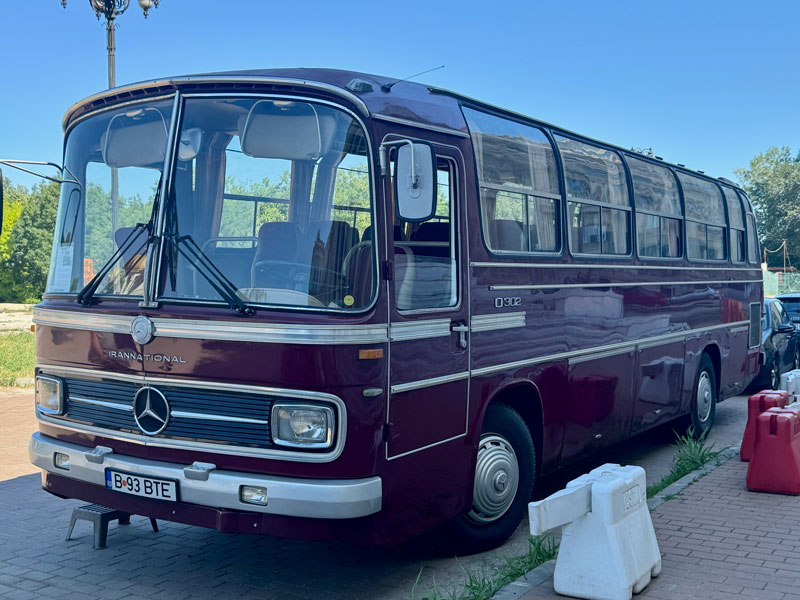
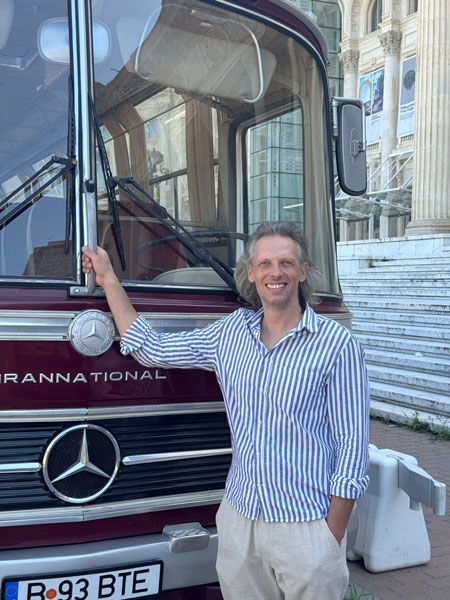
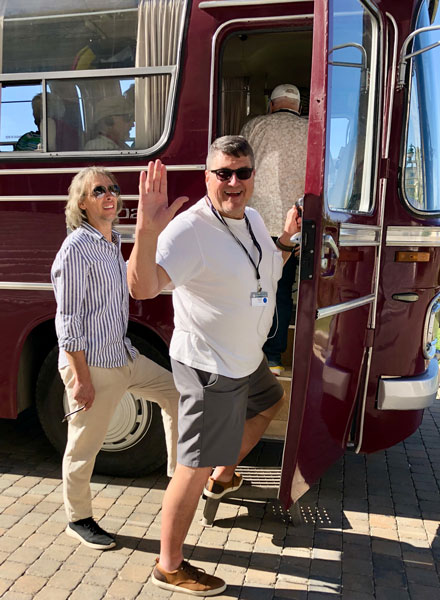
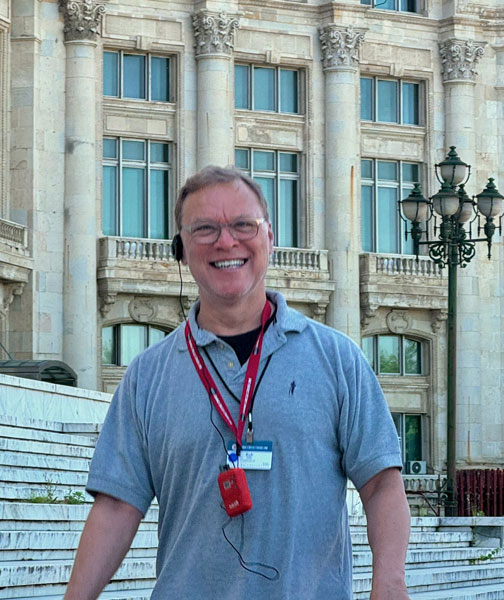
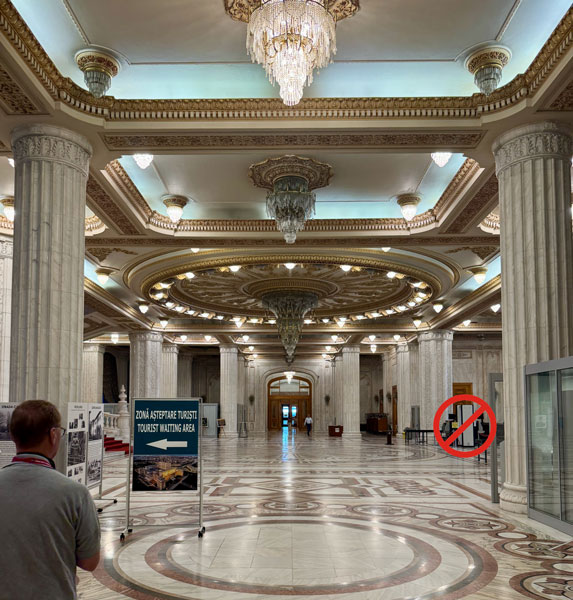
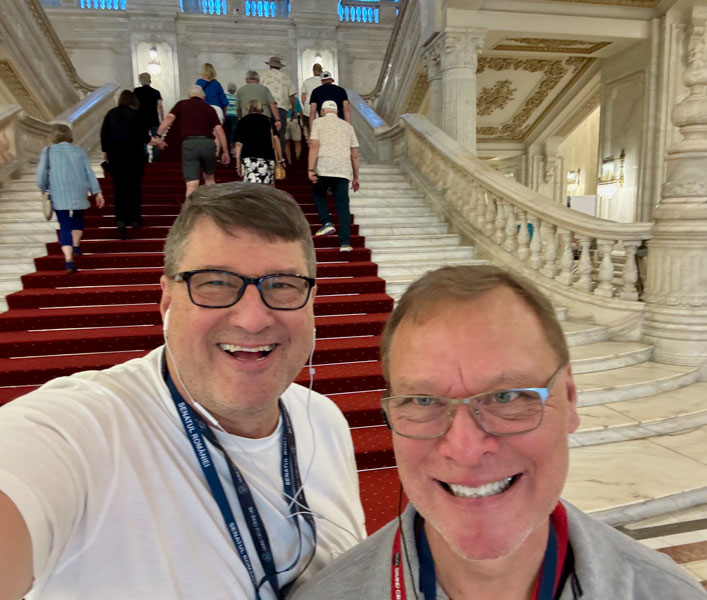
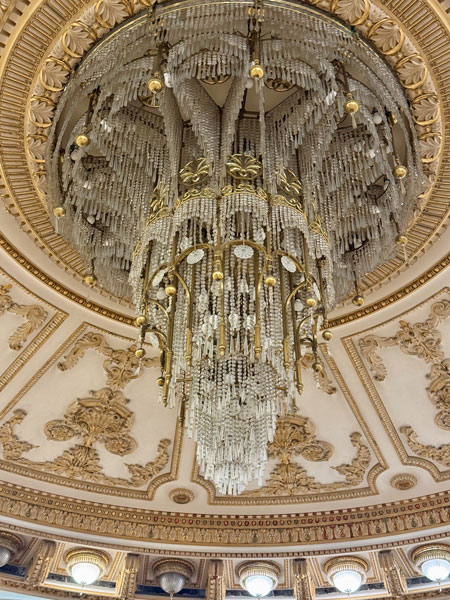
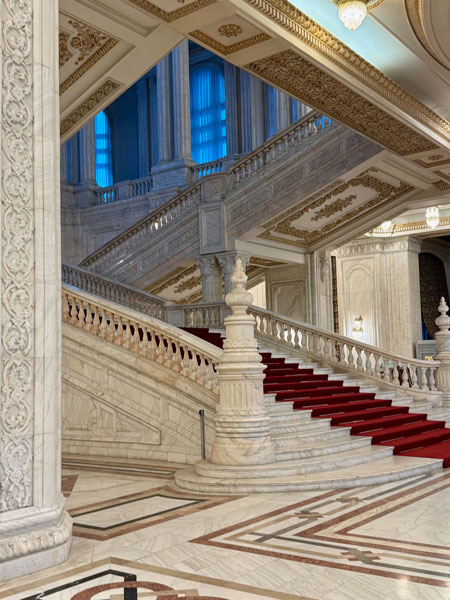
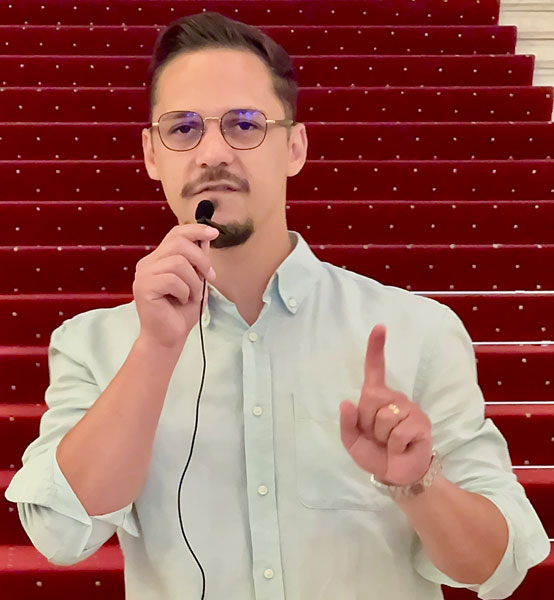
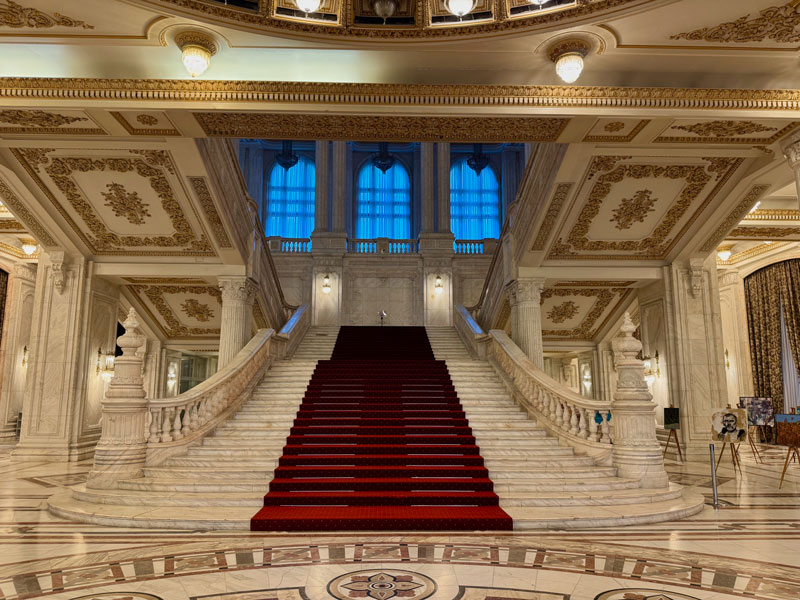
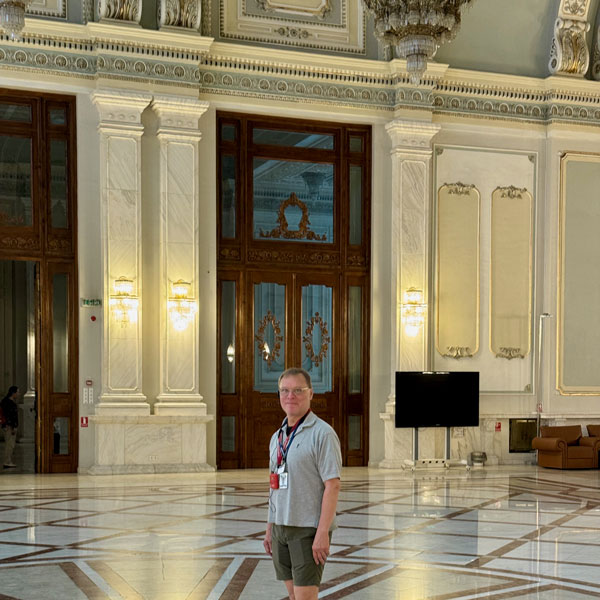
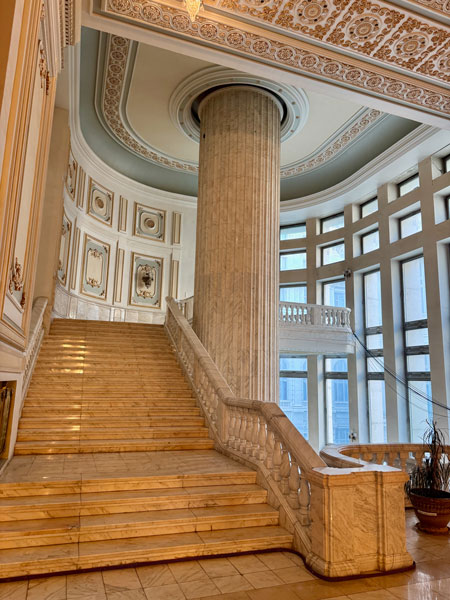
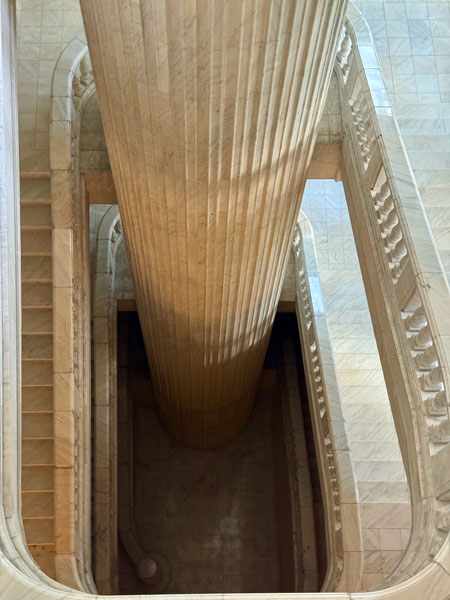
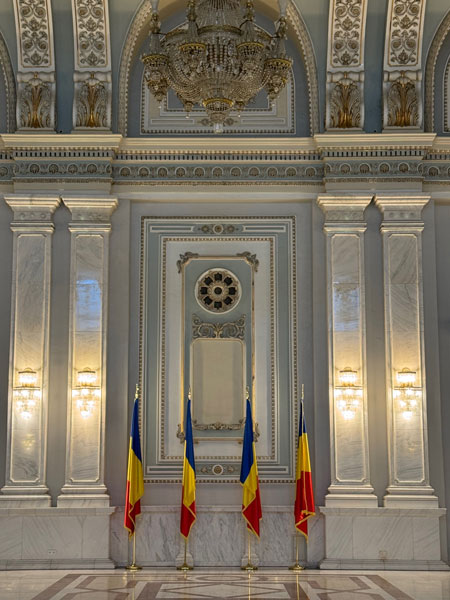
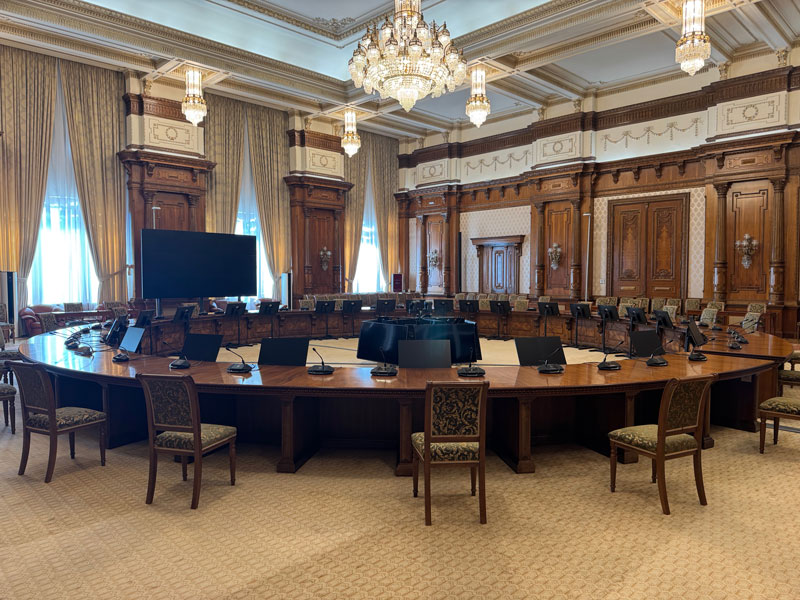
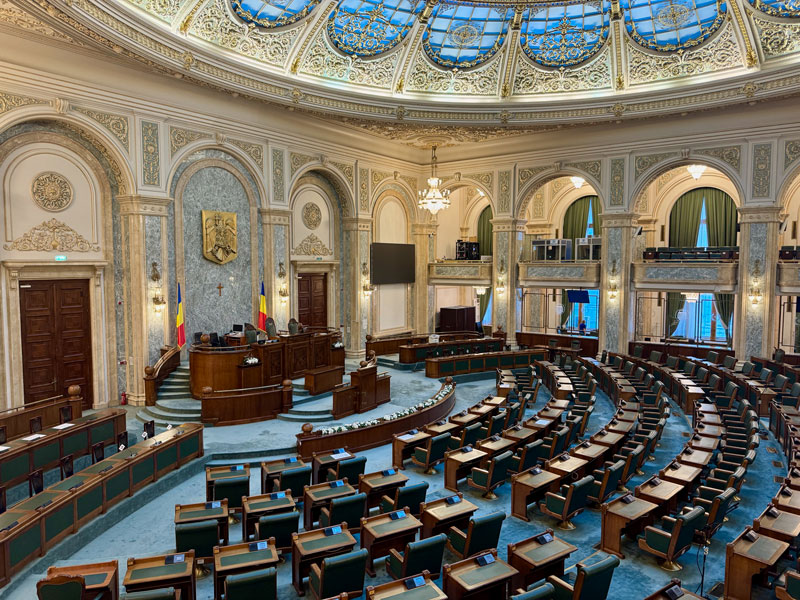
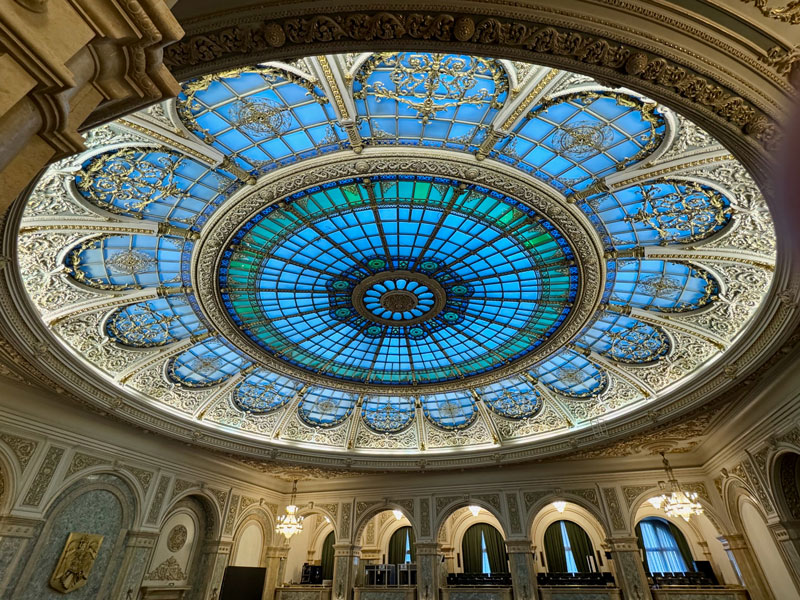
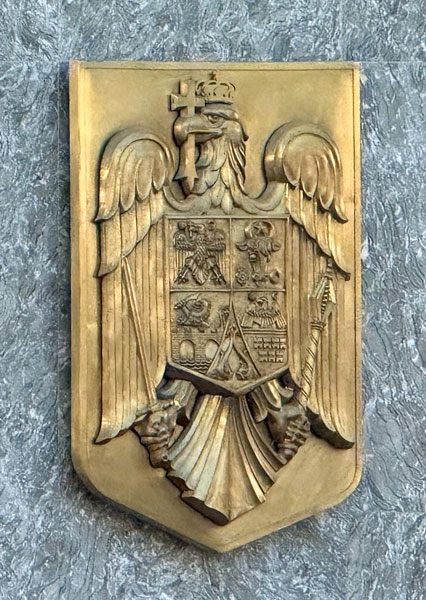
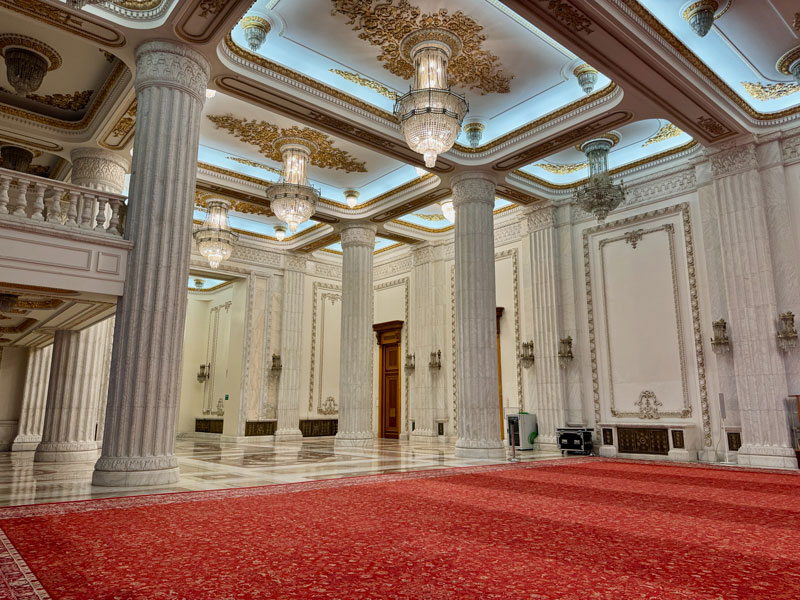
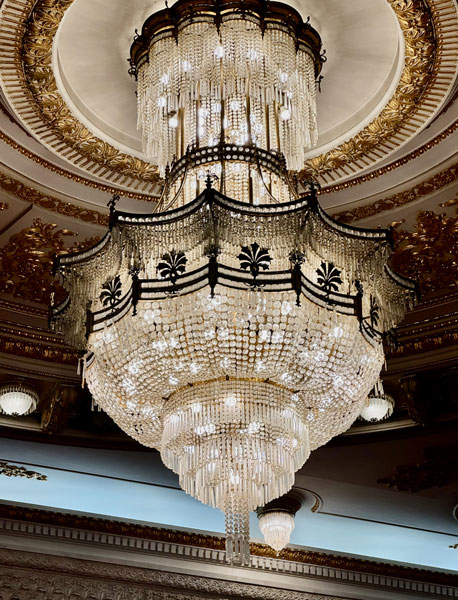
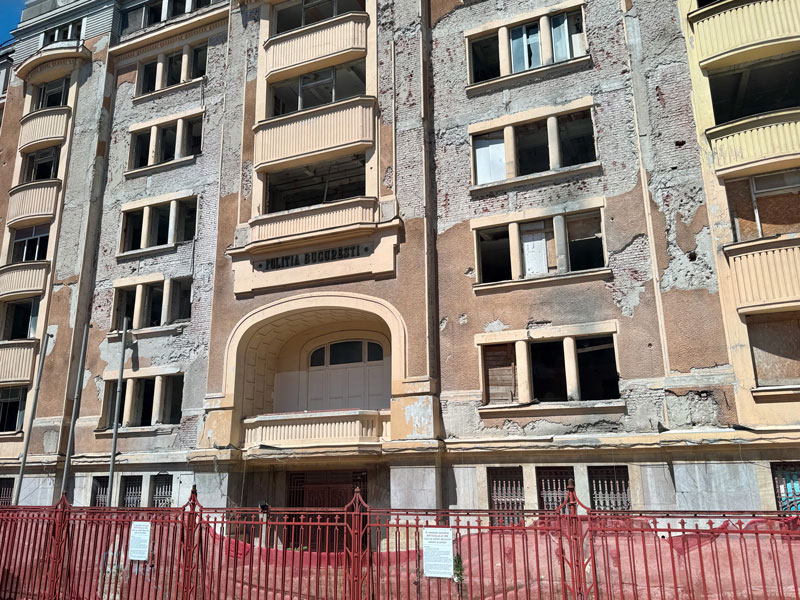
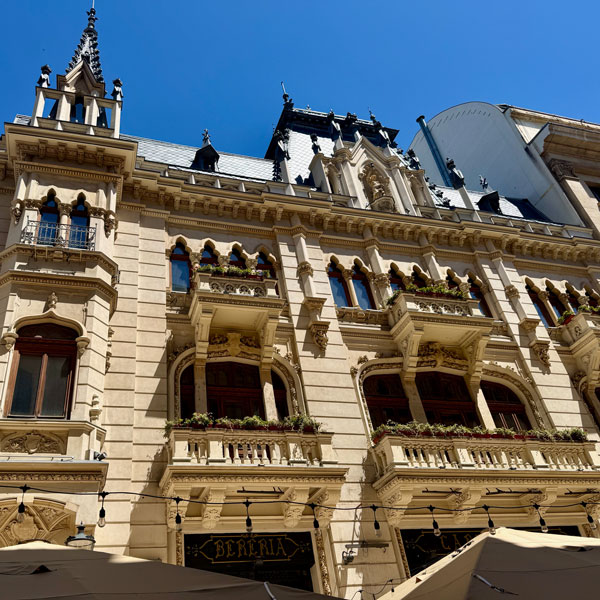
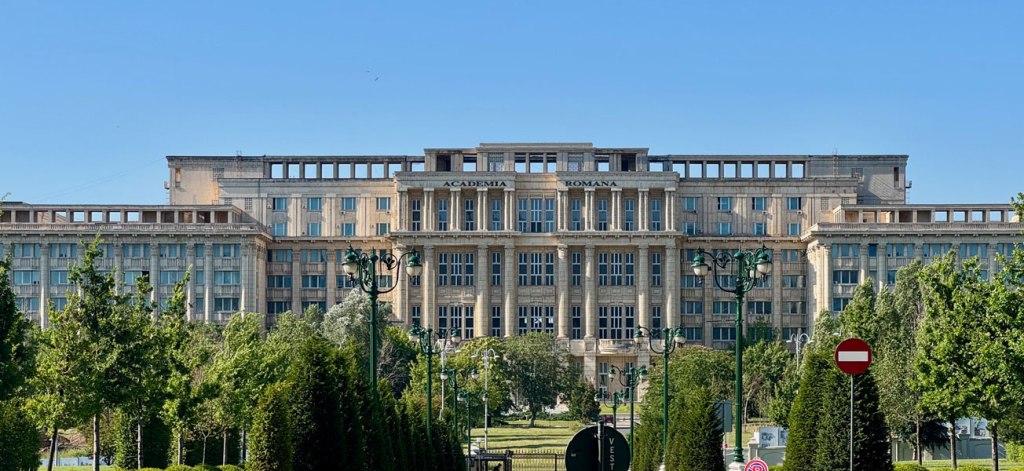
Random images taken while touring Bucharest
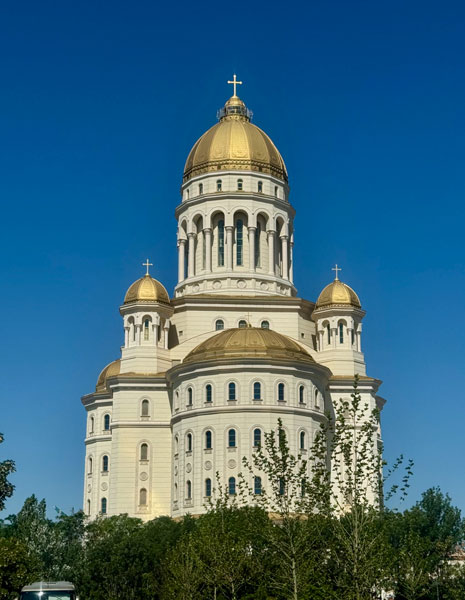
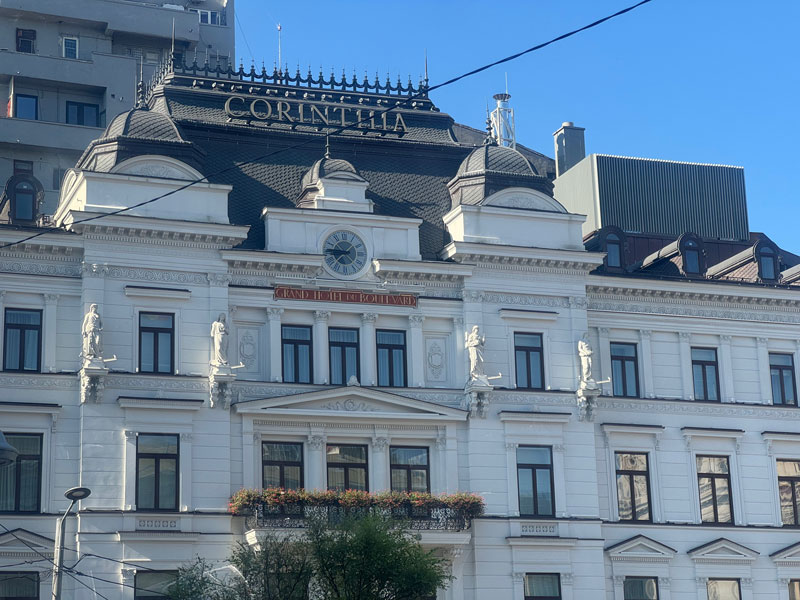
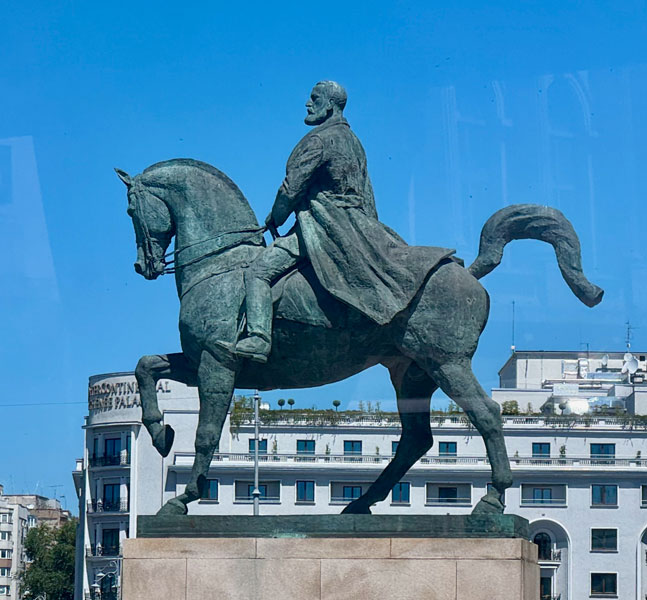
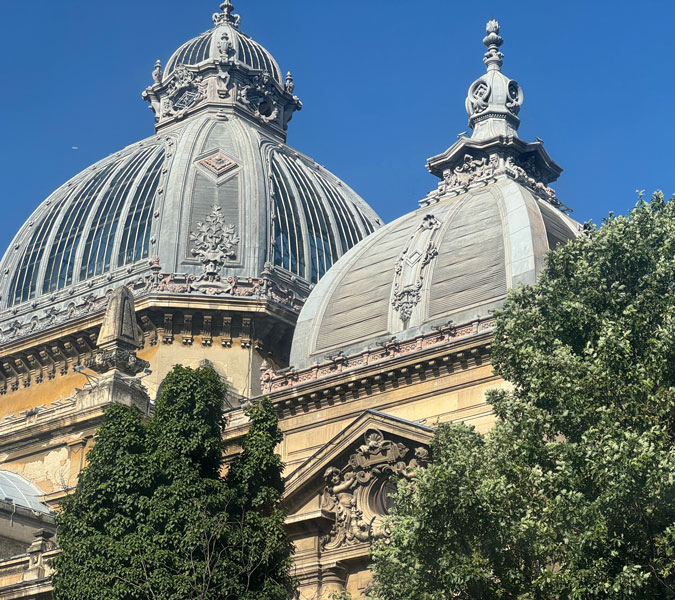
After the Parliament building tour, it was back to the hotel to match our luggage with our bus; enjoy a group luncheon at an historic restaurant in Bucharest’s Old Town; and then back on the bus for the drive to the Romanian/Bulgarian border town of Nikopol. Once across the Danube, we boarded the M/S River Aria and got settled in our floating home for the next 10 nights.
 Eastern Europe: Black Sea to Budapest